

Email Marketing
Published:
Email Marketing
Qasim Farooq
Share
When the summer rush fades or the winter freeze lets up, most HVAC companies hit a wall. Calls slow down. Techs have open slots. And suddenly, there’s a lot more white space on the calendar than anyone’s comfortable with.
I’ve seen this happen time and time again with the local service businesses I work with. Busy one season, scrambling the next.
And it always leads to the same question: how do you stay top-of-mind when no one’s actively thinking about heating or cooling?
This is where email marketing earns its keep.
Not as an afterthought, and not with a one-size-fits-all blast. I’m talking about a smart, targeted approach that keeps your company name front and center, year-round. The right emails can prompt bookings, bring past customers back, and give people a reason to act even when the weather isn’t pushing them to pick up the phone.
In this post, I’ll break down real-world email strategies that work specifically for HVAC companies. From content ideas that trigger action to tools that help you reach the right people at the right time, I’ll show you how to fill your schedule, even in the off-season.
Why Your HVAC Email Marketing Campaigns Aren’t Getting Leads (And How To Fix It)
If your HVAC email marketing campaign isn’t pulling in leads, you’re not alone. I’ve worked with a lot of HVAC companies who put real effort into sending emails—only to get radio silence in return. No opens. No clicks. No bookings.
You don’t need more email blasts. You need the right strategy for your target audience—one that speaks directly to their problems, at the right time, with the right message.
Let’s break down where things go sideways—and how to fix it.
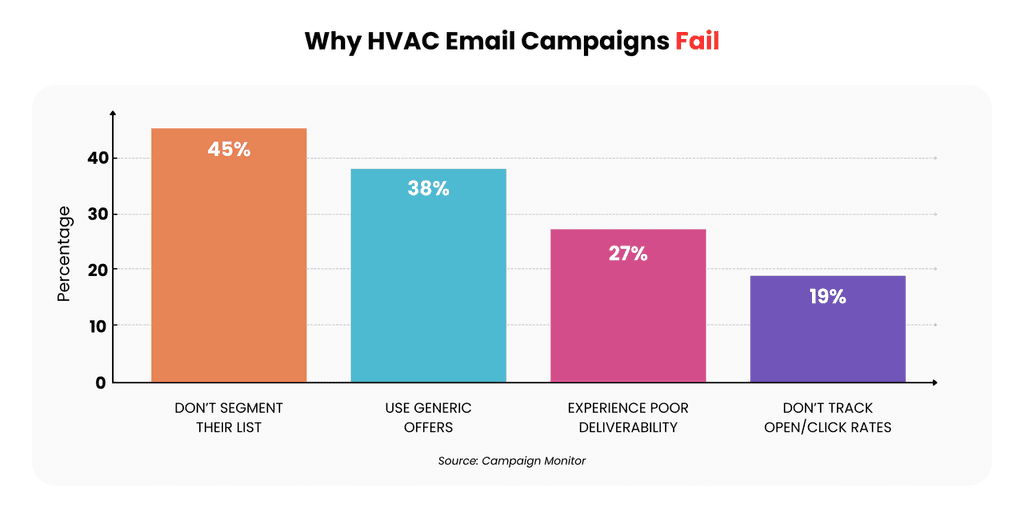
Your Email List Isn’t the Problem—Your Source Is
If your email list is full of ghosts—people who don’t open, click, or book—it’s probably not a list problem. It’s a source problem.
Too often, HVAC companies assume anyone who fills out a form or ends up on a spreadsheet is a great lead. That’s rarely the case. If someone didn’t ask for HVAC services or wasn’t properly qualified, they’re not likely to engage, let alone convert.
It’s not about collecting more emails. It’s about attracting the right customers—ones who are actively thinking about their HVAC system, or better yet, already need help.
Why the Form on Your Site Isn’t Giving You Quality Contacts
That contact form buried at the bottom of your website? It’s not doing you any favors. If you’re getting spam, low-intent leads, or contacts with zero HVAC needs, it’s probably because:
The form doesn’t explain what happens next.
It’s too general (“Contact us”) and not specific to your services.
There’s no reason for someone to fill it out unless it’s an emergency.
Instead of hoping someone stumbles onto your form, make it part of a larger lead generation strategy.
How to Reverse-Engineer High-Intent Leads Using:
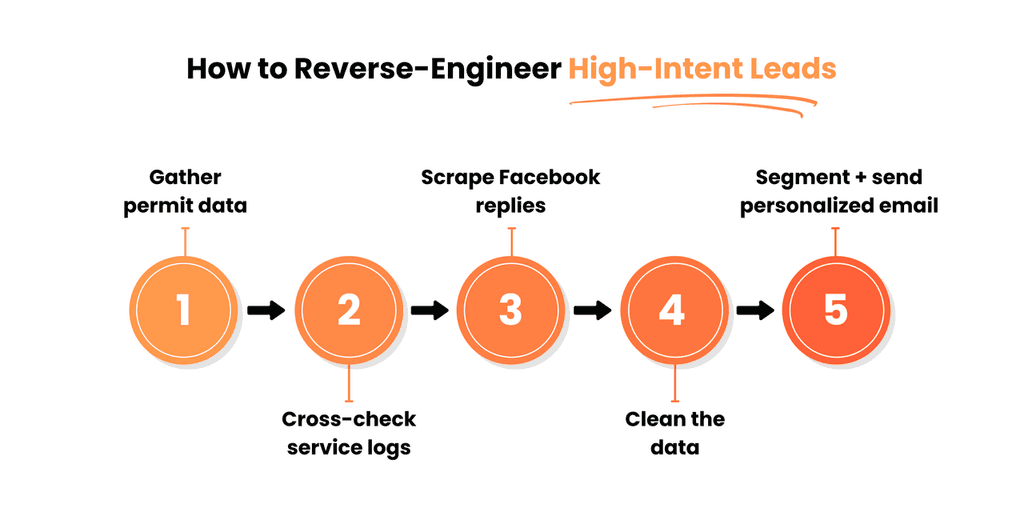
Local Permit Data
You want leads who are actually planning HVAC work? Local building permit data is gold. Many municipalities post recent permits online. That includes AC installs, furnace upgrades, and remodels that involve ductwork.
Target those addresses in your ZIP codes. These are people who will need your services.
Past Service Logs
Look at your existing database. What models did you install in 2016? Which warranties are about to expire? Who hasn’t had a tune-up in two years?
Use that customer information to create micro-targeted email campaigns—like “Your unit’s warranty is ending—want to check it before it costs you?”
Facebook Group Replies and Scraped Local Homeowner Data
Local homeowner groups are packed with gold. People post about hot rooms, noisy systems, and busted ACs all the time. I’ve seen HVAC contractors pull entire lists just from comment sections.
If you're pulling data, keep it clean. And send personalized emails that reflect what they actually posted about. No generic “10% off” nonsense.
Avoiding Third-Party Lists That Check the “Opt-In” Box but Tank Your Deliverability
Yes, technically those leads “opted in.” But if they don’t know who you are, they’ll ignore your email—or worse, mark it as spam.
Buying lists might look like a shortcut, but it ruins your email marketing strategy in the long run. It kills open rates, sends you to spam folders, and messes with click through rates.
Stick to real people, in your area, with real HVAC needs.
For effective ways to attract high-intent leads, see these tested lead magnet ideas through email marketing.
The Educational Content Trap: Stop “Helping” and Start Triggering Action
HVAC businesses love to educate. “Here’s how to clean your filter,” “Here’s why maintenance matters”—and sure, some readers appreciate it. But let’s be honest: most marketing emails that “educate” don’t get read. They get archived.
You’re not running a blog. You’re running a business. The goal isn’t just engagement—it’s repeat business.
Why Generic HVAC Tips Don’t Convert
People don’t open emails to learn. They open emails to solve problems. So if you’re only sending tips and tricks, don’t be surprised when your email subscribers stop clicking.
Education has a place, but it shouldn’t be your main play—especially in slow seasons.
How to Write Booking-Focused Emails Instead
Here’s what I recommend using instead of vague tips:
“This model is aging out now—do you have it?”
Target customers by install date and model. Urgency without hype.“Energy bills up? It might not be your rates”
A great hook for past customers with older systems.Use fear—carefully.
I’m not saying scare people into buying. But real risks like fire hazards, CO2 leaks, or warranty voids get attention because they matter.
Booking-focused optimize emails are short, local, and speak directly to the problem you solve. One problem. One solution. One clear call to book.
Your Deliverability Tanked—And It’s Not Gmail’s Fault
If your email campaign stats look like a ghost town—low opens, no clicks, zero conversions—blaming Gmail isn’t going to help.
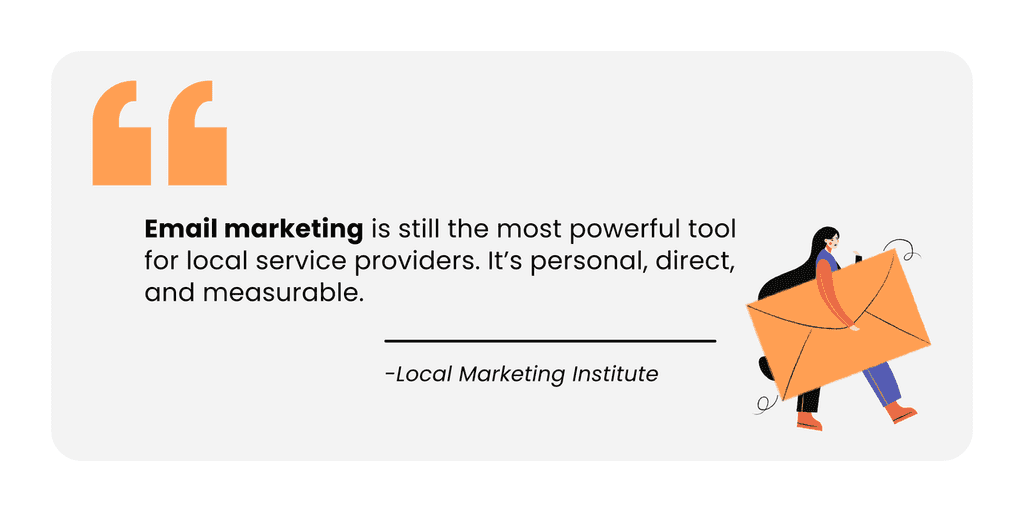
In my experience, the problem often starts with local ISPs. Comcast, Spectrum, Cox—they’re filtering your HVAC emails before they ever hit the inbox. Why? Because a lot of HVAC contractors use the same templates, same subject lines, and same image-heavy layouts. It looks like spam.
Local ISPs (Comcast, Spectrum, Cox) Treat HVAC Emails Like Spam
Even if your emails are legit, these providers treat bulk messages from HVAC companies like junk. That means you’re getting filtered before the reader ever sees your offer.
How to Test If You’re Being Auto-Filtered in Your Own Market
Here’s a quick trick: set up test inboxes using local businesses. Send your marketing emails to them. Did they hit inbox or spam?
If they went to spam, it’s not the message—it’s the email software, the structure, or the sender reputation.
Fixes That Actually Work
Rotate your sender domains by ZIP code.
This helps bypass spam triggers tied to one specific region or domain.Use plain-text “service alert” emails for first contact.
You don’t need flashy designs to get results. In fact, less is often more.Ditch image-heavy templates for cold sends.
Save the pretty designs for your existing customers. Use clean, direct copy when emailing new or inactive leads.
For more email deliverability tips, check out these email warm-up strategies.
You're Segmenting by ZIP Code But Not by Equipment or Service History
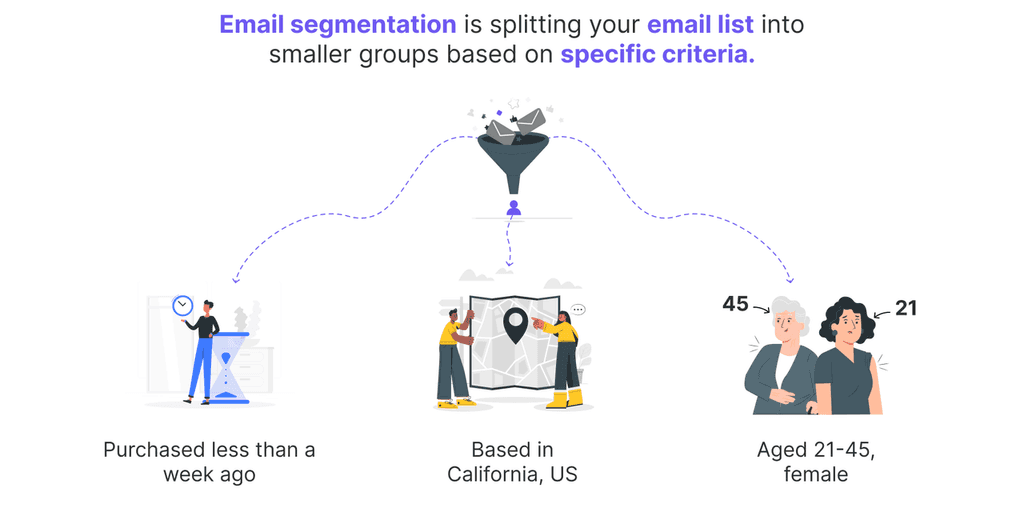
Targeting by ZIP code is a start, but it’s not enough to move the needle. A lot of HVAC email marketing campaigns stop there and miss the bigger opportunity. If you're sending the same email to every residential address in your service area, you're not reaching your target audience—you’re broadcasting.
To get more out of your email marketing for HVAC companies, you need to go deeper than location. Focus on customer history, service details, and actual HVAC system data. This is how you build specific audiences that are more likely to respond.
Forget the broad labels like residential or commercial. Think about what your existing HVAC customers actually need based on their service records.
Segment by:
Age of the unit: Older systems are more likely to need replacement or major repairs. An HVAC email that targets customers with 8 to 10-year-old units makes sense.
Last service date: No maintenance in over a year? That’s a perfect trigger for a reminder. These emails often lead to repeat business.
Type of repair or install: If you handled a zoning issue last summer and the customer still has uneven temps, there’s an opportunity to follow up.
Here’s what works
Install dates between 2016 and 2018 are ideal for new system promotional emails
No duct cleaning in the past three years is a flag for an upsell
Notes from past visits showing comfort complaints like hot upstairs rooms give you something specific to work with
When you fine tune your segmentation using this kind of customer information, you’re not just sending marketing emails—you’re speaking directly to the needs of your customer base.
Your Offers Are Too General—Make Every Email Solve One Specific Problem
The classic “10% off all services this month” email might feel easy, but it doesn’t perform. Generic offers go straight to the trash. Your marketing for HVAC should focus on solving one problem at a time.
Vague discounts don’t speak to anyone in particular. Your email strategy should aim to make each message feel like it was written for one person with one issue.
Try something like this instead:
“Still hot upstairs? Our zoning fix can help.”
A clear, relatable HVAC service issue, paired with a solution.
“If your system is older than 2017, you’re losing $42 every month.”
This plays into energy cost concerns while tying into the system’s age.
One email, one message. Keep your email campaign focused. Don’t mix tune-ups, replacements, and duct cleaning all in one email.
Each message should include:
One call to action
One pain point
One clear next step
Also, if you’ve done work in a neighborhood recently, use that to build trust. A line like “We fixed 18 systems like yours in Lakeview last week” shows local proof and makes the message more believable. This builds engagement and helps convert potential customers into paying ones.
The more relevant your emails are, the more they’ll connect. That’s how you keep your email subscribers interested, and how you generate more customers from your HVAC marketing.
The Automations You Think Are Working Probably Aren’t
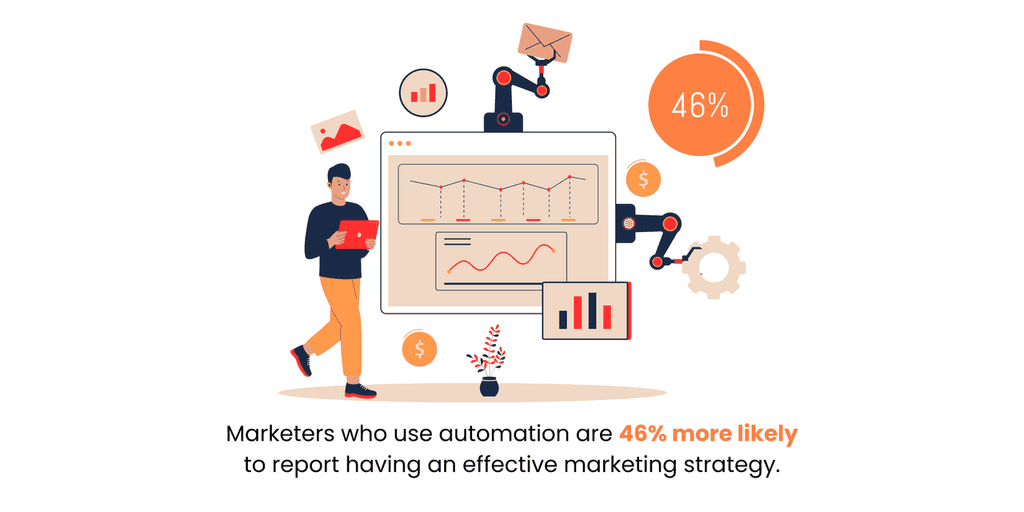
I’ve seen a lot of email automation setups from HVAC contractors that sound great in theory—but they don’t get results. The problem? They’re too generic, too slow, or they never ask for the booking.
If your goal is customer loyalty and more repeat business, your automation has to do more than send a thank-you note.
Common flows that fall short:
Post-service thank-you emails with no upsell
These are polite, but they leave money on the table. Follow up with a filter reminder or a discounted maintenance plan.
Drip campaigns that lack urgency
If the sequence doesn’t show why someone should act now, they won’t. And they’ll forget you by the time they do need something.
A lot of HVAC contractors also rely on the same email sequence for everyone. That’s a missed opportunity. You wouldn’t say the same thing to someone who just booked last month and someone who hasn’t opened your emails in a year.
Here’s what works instead:
“We’re in your area tomorrow” alerts based on ZIP
These emails feel timely and help boost conversion rates.
Follow-ups for missed appointments with a link to reschedule
Keep the window short and make it easy to act. These messages often re engage customers who meant to call but didn’t.
Equipment failure alerts based on usage and climate data
If you know a system is likely to fail during a cold snap, send a heads-up. These types of emails work well when you want to boost revenue in slower seasons.
Tune-up reminders triggered by past service logs
Forget the annual calendar reminders. Use your own data to trigger smart email marketing campaigns that hit at the right time.
The right email marketing tool can make this process easier. Whether you use email marketing software like Constant Contact or GoCustomer, your automations should always be tailored around what your customer needs—not what’s easy to send.
By improving these flows, you don’t just save time—you get better results from your overall digital marketing efforts.
Bonus: Advanced Playbook—Email Campaigns You’re Not Using (But Should Be)
Once you’ve nailed the basics, this is where things start to get interesting. These aren’t your usual HVAC emails—they’re smarter, faster, and built to hit at just the right moment.
If you're trying to reach potential customers who haven’t booked yet, or re engage past customers who’ve gone quiet, these campaigns can fill the gap.
Try adding these to your rotation:
Weather-triggered emails that sync with local forecasts—send AC check-up reminders right before the first heat wave or furnace checks when temps drop
Equipment recall alerts—scrape manufacturer bulletins and notify past customers with the affected unit
Zoning frustration campaigns—target homes you’ve already serviced that still have complaints like second floors that don’t cool evenly
Maintenance plan upsells—set a deadline for enrollment and introduce the value during slower months to drive repeat business
End-of-day “call slot” messages—send these around 2 PM with a simple message like “We had a cancellation—want the slot tomorrow?”
Seasonal tune-up promos tied to energy savings, not just discounts—help people see the cost of waiting
Emergency service reminders—great for winter furnace failures, summer outages, or storm prep
Each of these campaigns is built to speak directly to specific HVAC needs. And they work because they’re timely, relevant emails—not the same email blast sent to your entire list.
Wrap-Up: You Don’t Need More Emails. You Need the Right Ones
Most HVAC companies don’t fail at email marketing because they’re not sending enough emails. They fall short because the emails feel generic, irrelevant, or mistimed.
If your goal is to grow your customer base, boost revenue in the off-season, and keep your techs busy, you need email campaigns built around real pain points and real data.
That’s where a email marketing platform like GoCustomer can make a serious difference.
GoCustomer is an AI-powered email marketing platform designed to take hyper personalized outreach to a whole new level. Instead of manually researching every lead or recycling old templates, you can use GoCustomer’s agents to pull in fresh data from places like LinkedIn and company websites.
Want to reference a recent post your potential client liked? Done. Need to mention the age of their HVAC system based on a service record? Easy.
It even solves the scalability problem that holds many HVAC contractors back.
GoCustomer gives you the tools to personalize hundreds of emails—each one tailored, specific, and written like it came from a real person. That kind of email doesn’t just grab the reader's attention—it leads to real bookings.
Their LinkedIn Agent, for example, lets you grab relevant info from a recipient’s LinkedIn profile so your email connects on a personal level, not just a service pitch. You can build campaigns that feel human, whether you're promoting seasonal tune-ups or offering a limited-time free gift card for early bookings.
For HVAC companies trying to speak to new customers and re engage past ones, GoCustomer is built for exactly that.
It works well on mobile devices too, which means your emails reach people wherever they are—during lunch breaks, between appointments, or while they’re waiting in line.
Whether you’re running seasonal HVAC email marketing campaigns, targeting specific homeowners, or pushing urgency-based offers, this email marketing software makes it possible to do more with less effort, and save money while doing it—all while improving your email marketing strategy across the board.
You don’t need to send more emails. You just need to send the right message, to the right people, at the right time. And that’s what gets you booked—even when the weather isn’t on your side.

Reach more customers with your cold emails
Table of Contents
In a nutshell
Email marketing allows HVAC companies to maintain regular contact with existing customers, promote new services, and offer seasonal deals. It's a cost-effective way to increase customer retention and generate new leads.
The frequency depends on your content and audience. Generally, sending 1-2 emails per month keeps your brand top-of-mind without overwhelming recipients.
Use clear subject lines, personalize content, provide valuable information, and include a strong call-to-action. Ensure your emails are mobile-friendly and test different formats to see what works best.
Email marketing platforms like Mailchimp, Constant Contact, and specialized tools like GoCustomer can assist in creating, sending, and analyzing email campaigns tailored for HVAC businesses.
AI-powered tools can enhance personalization, automate campaigns, and analyze customer behavior, leading to more effective marketing efforts and better customer engagement.
Subscribe to our Newsletter!
Digital advice costs money but we send it to
your inbox for free.
Related Blogs
Time is Money, and We're About to Save You Both!
Book a quick demo of our email marketing tools and watch as we transform your leads into loyal customers.

![A loop illustration w-auto h-[70px]](/_next/image?url=%2F_next%2Fstatic%2Fmedia%2Fvector1.7738e6de.png&w=256&q=75 "GoCustomer Platform Image")

Get in touch
Subscribe to our weekly Newsletter and receive updates via email.